



Angklung: Bamboo Instrument and Global Cultural Diplomacy Icon
- 07 Sep 2026 09:02 WIB
- Voice of Indonesia
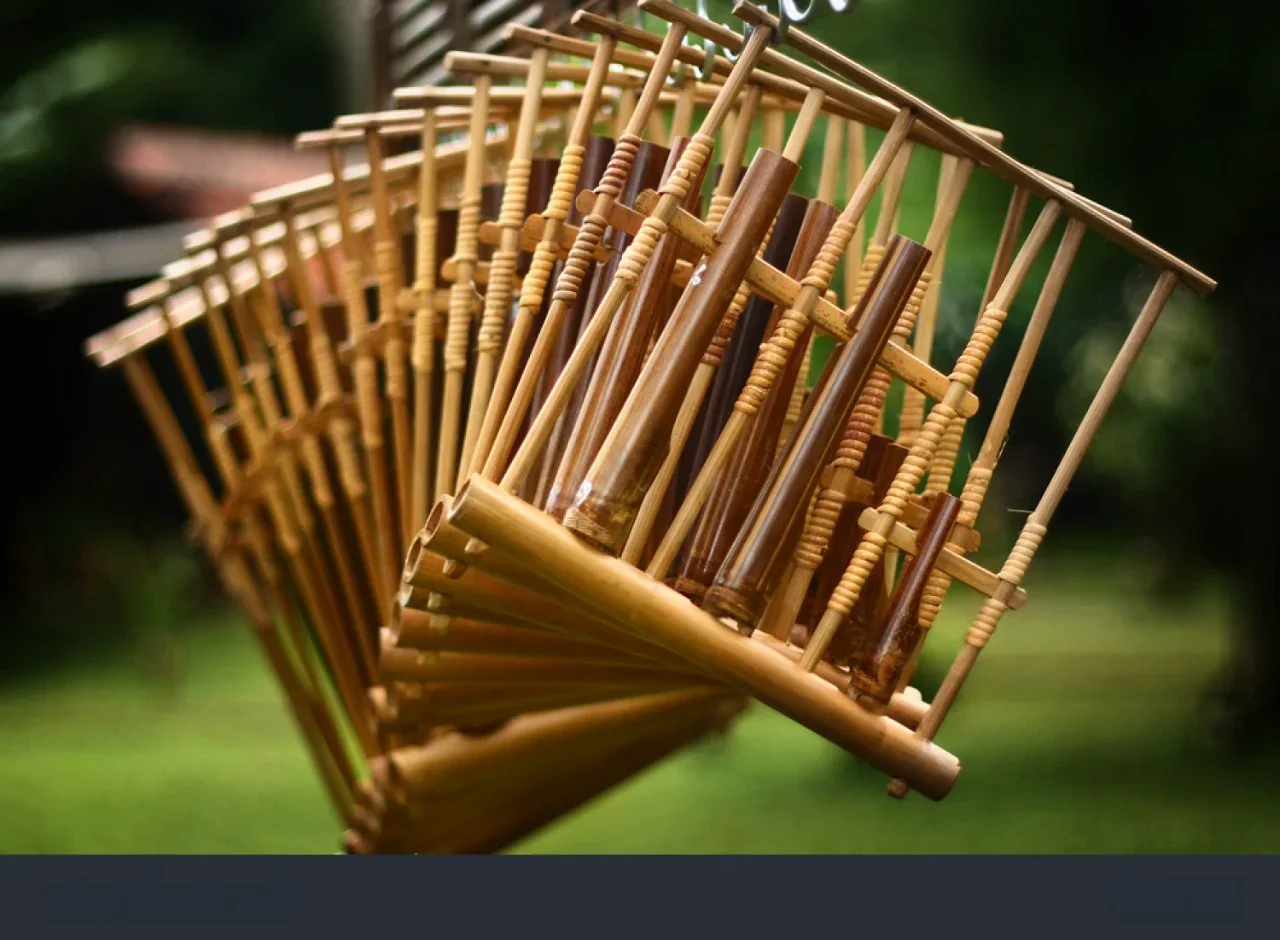
RRI.CO.ID, Jakarta - Angklung, the traditional bamboo instrument from Sundanese lands, is no longer just a local heritage item. It has grown into a symbol of Indonesian culture recognized internationally.
Since UNESCO inscribed it on the Representative List of the Intangible Cultural Heritage of Humanity in 2010, angklung has continued to develop as a tool for character education, a medium of cultural diplomacy, and a tourist attraction that connects foreign visitors with Indonesia's local wisdom.
In simple terms, angklung is played by shaking a frame so that its bamboo tubes strike each other and produce sound. Each individual angklung can only produce a single note, so a complete melody can only emerge when many players perform together in careful coordination. This principle makes angklung a symbol of cooperation, equality, and social harmony within Sundanese society.
Based on the history recorded by the Ministry of the State Secretariat of the Republic of Indonesia, the roots of angklung can be traced back to the era of the Sundanese kingdom, when the instrument was used in ceremonies honoring Nyai Sri Pohaci, the rice goddess, as well as in the Seren Taun tradition as an expression of gratitude for the harvest. At that time, angklung was not merely entertainment but part of a ritual rich with spiritual meaning about balance in nature and human gratitude toward the Creator.
UNESCO's recognition in 2010 became an important milestone that cemented angklung's global standing. The designation acknowledged not only the uniqueness of its sound and form but also the philosophy behind it: collaboration and togetherness passed down across generations.
A major turning point in angklung's history came through the innovation of Daeng Sutigna, a music teacher who successfully transformed the instrument's scale from pentatonic to diatonic-chromatic. This change opened the way for angklung to perform a wide range of songs, from traditional compositions to international music.
Daeng Sutigna's legacy was later carried forward by his student, Udjo Ngalegena, who founded Saung Angklung Udjo in Bandung, which remains a center of creativity and a showcase of angklung culture for guests from home and abroad.
Long before the modern era, angklung had already crossed national borders. One of the most memorable stories occurred when King Rama V of Thailand fell for the sound of angklung and brought it to the Bangkok's Royal Palace, placing it in the royal children's quarters.
That fascination continued in 1908, when the king's younger brother, Prince Bhanu Rangsri Sawangwong, traveled to Indonesia with a Thai musician to learn how to play the instrument, before eventually bringing a set of angklung back to Thailand.
Beyond its historical and diplomatic value, angklung has also grown into a beloved cultural-tourism product, especially in West Java. Visitors can watch live performances, join workshops, and learn to play angklung alongside local communities. This kind of experience appeals to solo travelers seeking authentic culture, groups of friends looking for interactive activities, and families wanting meaningful educational travel.
Heading into the modern era, angklung continues to innovate. Collaborations with orchestras and performances on international stages prove that this cultural heritage can remain relevant without losing its original identity. For Indonesia, angklung is more than just a musical instrument. It stands as living proof that culture can serve as a bridge uniting people across time and across nations, while strengthening Indonesia's image and identity on the world stage.
News Recomendation
Memuat berita terbaru.....