



Gamelan: Nusantara Heritage that Weaves Indonesia-Malaysia Cultural Friendship
- 01 Sep 2026 14:48 WIB
- Voice of Indonesia
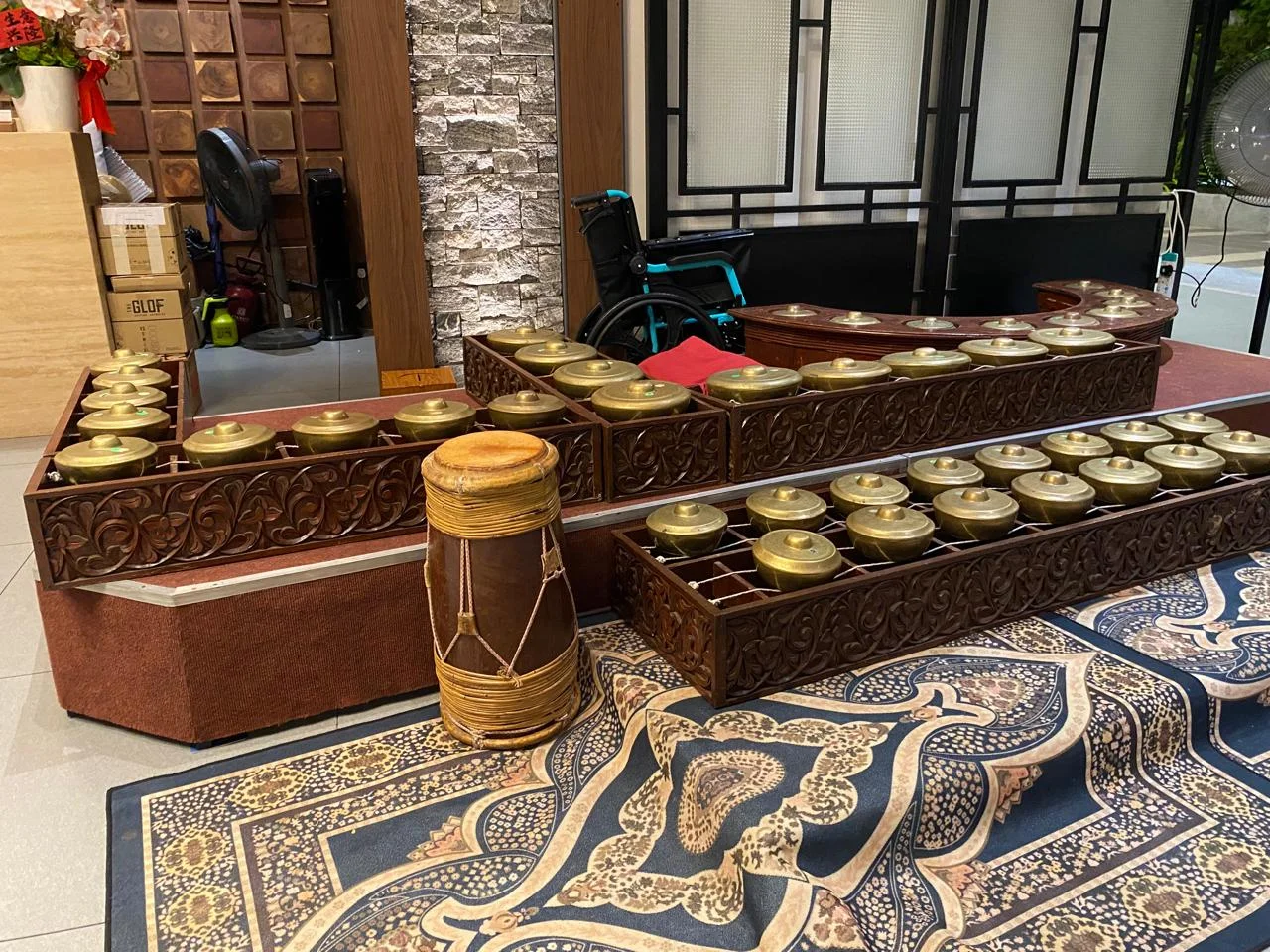
RRI.CO.ID, Jakarta - Gamelan, a traditional musical instrument that was born and grew in the lands of Java and Bali, has now become a symbol of cultural closeness between Indonesia and Malaysia. Although its historical roots clearly originate from the Archipelago, the melodies of the gamelan have long crossed over to the Malay Peninsula and merged with the Malay palace traditions, particularly in Pahang and Terengganu, without erasing its origins from Indonesia.
According to the statement from the Ministry of Tourism, UNESCO officially included gamelan in the Representative List of the Intangible Cultural Heritage of Humanity in 2021, making gamelan the 12th Indonesian cultural heritage recognized by UNESCO. This shows that gamelan is not just a local art form, but a cultural contribution of value to world civilization, while also paving the way for gamelan to continue being studied, performed, and preserved across countries, including Malaysia, which has adopted it for a long time.
In Indonesia, gamelan is understood far beyond its function as entertainment. The musical ensemble dominated by metal instruments such as gongs, kenong, saron, and bonang, combined with kendang and suling, is rich in philosophical meaning. Each note reflects the balance of life, the relationship between humans and nature, and the spirit of mutual cooperation because gamelan is always played collectively, prioritizing group harmony over individual excellence.
The traces of gamelan can be traced back to the Hindu-Buddhist kingdoms in the Archipelago, as depicted in temple reliefs and ancient manuscripts. From the palace environment as sacred music, gamelan then developed and gave birth to various distinctive characters in different regions, ranging from the refined and meditative Javanese gamelan, the fast and dynamic Balinese gamelan, to the soft and melodious Sundanese gamelan.
From those roots, the influence of gamelan crossed the Strait of Malacca. According to records from the Ministry of Tourism, Arts and Culture of Malaysia (MOTAC), gamelan has also become a part of the Malay royal culture, especially in the states of Pahang and Terengganu. Although rooted in Javanese and Balinese traditions, the gamelan that developed in Malaysia underwent adaptations that reflect the cultural identity and local wisdom of the Malays, without severing the ties with its origins in Indonesia.
At the palace and government level, Gamelan Pahang is often featured in royal celebrations, official ceremonies, and major state events. Its presence becomes a symbol of respect for honored guests and state dignitaries, while also creating a grand and solemn atmosphere in every event.
Besides in the palace realm, Gamelan Pahang also thrives in traditional art performances that play an important role in preserving Malay cultural heritage. Through these performances, the younger generation of Malaysia is introduced to the values of traditional music as part of the formation of their cultural identity, while also preserving a heritage that actually originates from Indonesia.
The uniqueness of Gamelan Pahang is also evident in the attire of its players. Baju Kurung for women and Baju Melayu for men, complemented by songket, shawls, and keris, serve as markers of elegance as well as status and prestige in Malay tradition. The fusion of Malay esthetics with Nusantara musical instruments serves as a tangible proof of how a cultural heritage can grow and develop in two neighboring countries.
This phenomenon ultimately shows that gamelan is not merely the property of one nation, but rather a shared heritage that unites Indonesia and Malaysia in a spirit of kinship. In Indonesia, gamelan becomes a cultural tourism attraction that offers authentic experiences for tourists, combined with traditional dances and ceremonial rituals. In Malaysia, gamelan thrives within the royal traditions and Malay performing arts. Both walk hand in hand, enriching each other without negating their origins.
UNESCO's recognition of gamelan is not the end point, but rather the beginning of a shared responsibility to preserve it, both by Indonesia as the country of origin and Malaysia, which has long adopted and developed it. As long as the values of togetherness, harmony, and mutual cooperation that are the essence of gamelan are preserved by the next generations in both countries, this sound heritage of the archipelago will continue to resonate and inspire the cultural relationship between Indonesia and Malaysia in the future.
News Recomendation
Memuat berita terbaru.....