



KPSTI: Digitalization Opens Opportunity to Promote Traditional Pencak Silat
- 31 Agt 2026 14:30 WIB
- Voice of Indonesia
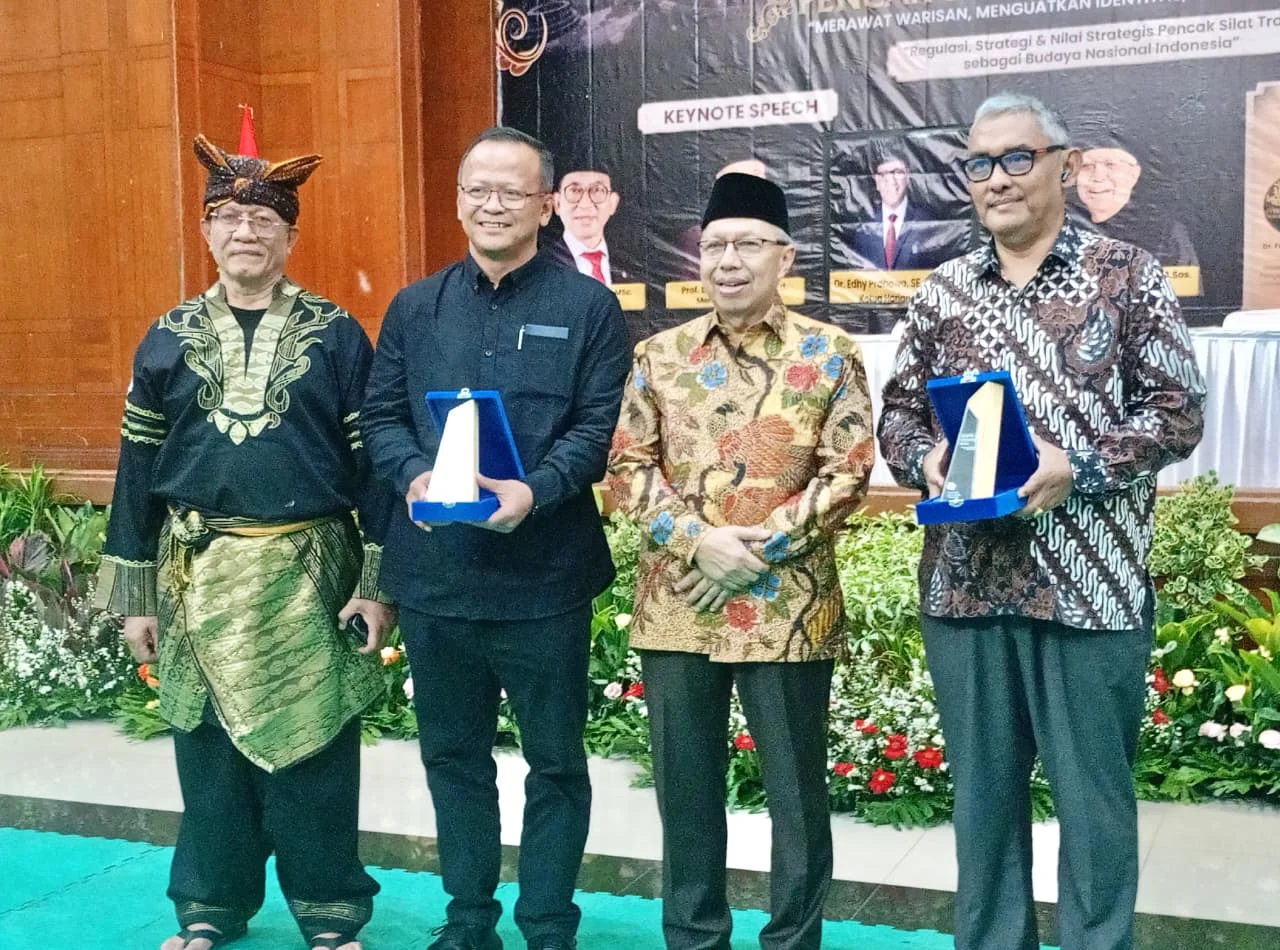
RRI.CO.ID, Jakarta – Director of the Directorate for the Development of Belief in God Almighty and Indigenous Communities at the Ministry of Culture, Syamsul Hadi, said the government has a responsibility to accelerate the safeguarding, development, and utilization of traditional pencak silat. He made the statement at the National Seminar on Indonesian Traditional Pencak Silat, organized by the Indonesian Traditional Pencak Silat Committee (KPSTI) at the Pencak Silat Training Center, Taman Mini Indonesia Indah (TMII), East Jakarta, Sunday, August 30, 2026.
“The Ministry of Culture plays an important role in accelerating the process, particularly the transmission of this tradition from one generation to the next. With UNESCO’s recognition, the Indonesian government has an obligation to develop and preserve this traditional form of silat,” he said.
The seminar carried the theme “Preserving Heritage, Strengthening Identity, Building Civilization.” It served as a forum for dialogue among the government, pencak silat organizations, schools, academicians, cultural figures, and other stakeholders to discuss the future of traditional pencak silat of Indonesia.
One of the key issues raised was the importance of strengthening the transmission of traditional pencak silat to younger generations. The government considers UNESCO’s recognition of pencak silat as Intangible Cultural Heritage (ICH) must be followed by concrete measures to ensure that the tradition continues to live, develop, and be passed on to future generations.
Syamsul said the education sector is one of the strategic avenues for expanding the transmission of pencak silat to young people. According to him, pencak silat could be promoted as part of extracurricular activities at schools. It can also introduce pencak silat not merely as a martial art, but also as part of cultural heritage and character education.
“One particularly strategic (institution) is the Ministry of Primary and Secondary Education. Pencak silat could be incorporated into extracurricular activities,” he said.
However, this effort still requires the availability of qualified trainers with the skills and capacity to guide students. Therefore, improving human resources, particularly traditional pencak silat instructors, is an agenda that needs to be addressed collectively.
Syamsul also underscored the importance of local government involvement because traditional pencak silat has developed across various regions of Indonesia. Synergy among the central government, local governments, organizations, pencak silat schools, and communities is key to ensuring that preservation efforts do not operate in isolation.
He expressed hope that the outcomes of the national seminar could serve as input for the formulation of strategic agendas for 2026–2027, particularly in strengthening the safeguarding, development, and utilization of traditional pencak silat in various regions.
Meanwhile, KPSTI Chairman Mahfudz Abdurrahman, said digitalization offers significant opportunities for traditional pencak silat to reach wider audiences, particularly younger generations. According to him, pencak silat can be presented through various forms of creative content that align with technological developments and the habits of today’s generation. One approach is through short films and digital videos highlighting the art, philosophy, history, and lives of pencak silat practitioners.
“We can develop this by producing short films and videos without having to rely on stage performances, which can take a long time and require significant costs,” Mahfudz said.
News Recomendation
Memuat berita terbaru.....