



Early Signs of Malaria Drug Resistance Detected, BRIN Calls for Global Vigilance
- 07 Agt 2026 07:57 WIB
- Voice of Indonesia
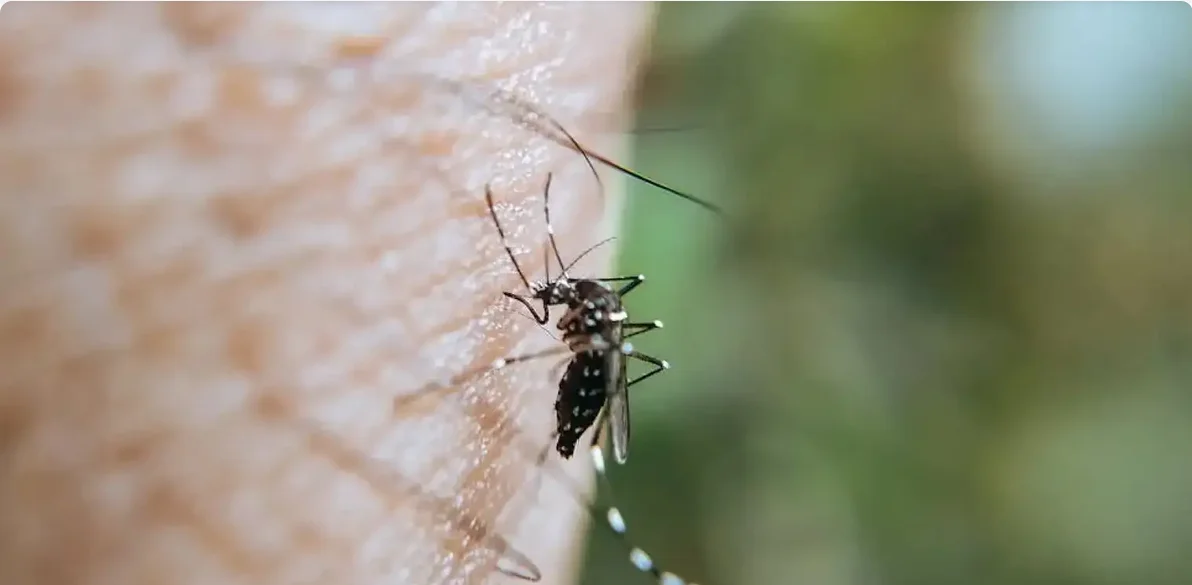
RRI.CO.ID, Jakarta – The National Research and Innovation Agency (BRIN) has detected early signs of declining effectiveness in the antimalarial combination drug that has long served as the first-line treatment in various developing nations. These findings stem from a recent molecular study on Plasmodium falciparum, the parasite responsible for the majority of malaria cases worldwide.
A lead researcher at the Eijkman Research Center for Molecular Biology (BRIN), Puji Budi Setia Asih, presented the findings at the International Symposium on Drug Discovery and Development. She explained that the malaria parasite's ability to undergo genetic mutation allows a portion of the population to survive despite standard treatment.
Using the Therapeutic Efficacy Study (TES) method—the World Health Organization's (WHO) recommended standard for monitoring malaria drug efficacy globally—the research team documented a trend of declining effectiveness over time. The efficacy of the dihydroartemisinin-piperaquine (DHP) combination drug dropped from an initial 100% to 93.1% in 2022, 91.5% in 2023, and 90.3% in the most recent 2026 testing, which involved BRIN, Hasanuddin University, the Ministry of Health, and the WHO.
The 90.3% figure is dangerously close to the critical 90% threshold established by the WHO as the minimum efficacy standard for antimalarial drugs. Puji said this situation serves as a serious warning for health authorities to urgently evaluate treatment policies before resistance becomes widespread.
One of the clearest indicators is the emergence of cases involving "late parasitological failure" (LPF), where parasites reappear in the patient's bloodstream despite high levels of piperaquine remaining in the body. This phenomenon suggests that some parasites are beginning to withstand drug pressure, although no resistance has yet been detected against artemisinin—the key component that forms the backbone of global malaria treatment.
To determine the cause of treatment failure, the research team analyzed genetic markers in parasite samples. The results were surprising: some parasites—theoretically still susceptible to the drug—managed to survive treatment, revealing a resistance mechanism far more complex than previously anticipated.
Recognizing the cross-border nature of this threat, BRIN is now developing next-generation drug targets that focus on the apicoplast—a unique organelle found in Plasmodium parasites but absent in humans—offering the potential for safer, more selective therapies. Puji emphasized that genetic research on malaria parasites must continue unabated to ensure global treatment strategies stay one step ahead of the parasite's adaptive capabilities, aligning with the global goal of eliminating malaria by 2030.
News Recomendation
Memuat berita terbaru.....