



Ogoh-Ogoh Remain a Key Element of Nyepi and Balinese Cultural Identity
- 19 Mar 2026 17:04 WIB
- Voice of Indonesia
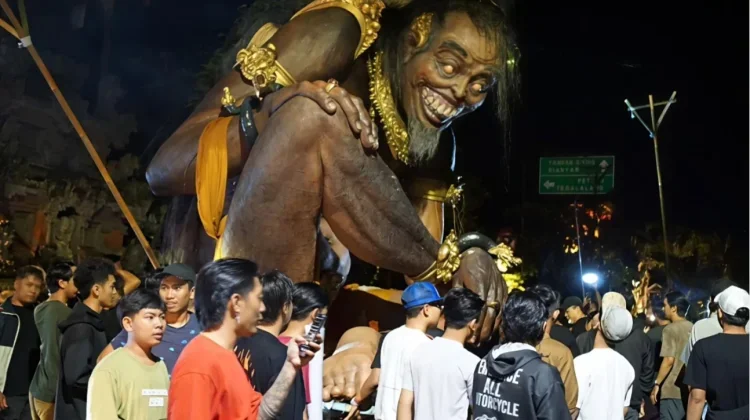
RRI.CO.ID, Denpasar - Balinese Hindus uphold the ogoh-ogoh tradition as a central ritual in the lead-up to Nyepi, the Hindu Day of Silence marking the Saka New Year, with the symbolic statues paraded to neutralize negative elements before the holy day begins.
Ogoh-ogoh are large, handcrafted figures that often depict demons or mythological beings. Created by local communities and paraded on the eve of Nyepi, the statues represent negative energies known as Bhuta Kala and symbolize the purification of the environment and the self ahead of the new year.
Citing Indonesia Kaya, Hindus perform the Melasti ceremony several days before Nyepi as part of a ritual purification. The ceremony involves prayers and the cleansing of sacred temple objects, usually performed at the sea or other bodies of water, as an essential step in spiritual preparation.
On the day before Nyepi, Balinese Hindus carry out the Bhuta Yadnya ritual, which aims to neutralize negative forces embodied in the concept of Bhuta Kala in human life.
The Bhuta Yadnya ritual consists of two main stages, mecaru and ngrupuk, performed sequentially by the community. Mecaru involves offering sacrifices to Bhuta Kala, carried out from the household level up to broader administrative areas.
Meanwhile, ngrupuk involves circling neighborhoods while creating noise and spreading incense smoke. The practice is intended to drive away negative elements so they do not disturb people during Nyepi, when the island observes a day of silence, fasting, and meditation.
Within this series of rituals, the ogoh-ogoh have evolved into a vibrant annual festival that showcases community creativity. The statues visually represent negative human traits and evils through striking and often elaborate forms.
Originally, ogoh-ogoh were made using bamboo frames and paper as the main structural materials. Today, many are constructed with Styrofoam to produce more detailed three-dimensional figures.
The creation process can take weeks, depending on the size, materials, and complexity of the design. The number of people involved also affects how long it takes to complete each statue.
Young people at the banjar(hamlet) level typically lead the creation of ogoh-ogoh as they strive to present their best work. The activity serves as a creative outlet while strengthening social bonds within the community.
Ogoh-ogoh parades are held simultaneously across Bali on the eve of Nyepi, with designated routes arranged to maintain order. Local authorities oversee the processions to ensure safety while also promoting them as a cultural tourism attraction. (Misni Parjiati/Lasti Martina)
News Recomendation
Memuat berita terbaru.....