



Nestlé Asia Pacific Studies Banyuwangi’s Circular Waste System
- 20 Agt 2026 12:06 WIB
- Voice of Indonesia
Poin Utama
- Nestlé Asia Pacific studied Banyuwangi’s circular waste management system as a potential model for sustainable operations across Southeast Asia.
- The Banyuwangi Hijau initiative involves government, businesses, and communities in waste collection, sorting, recycling, and processing while creating economic value from waste.
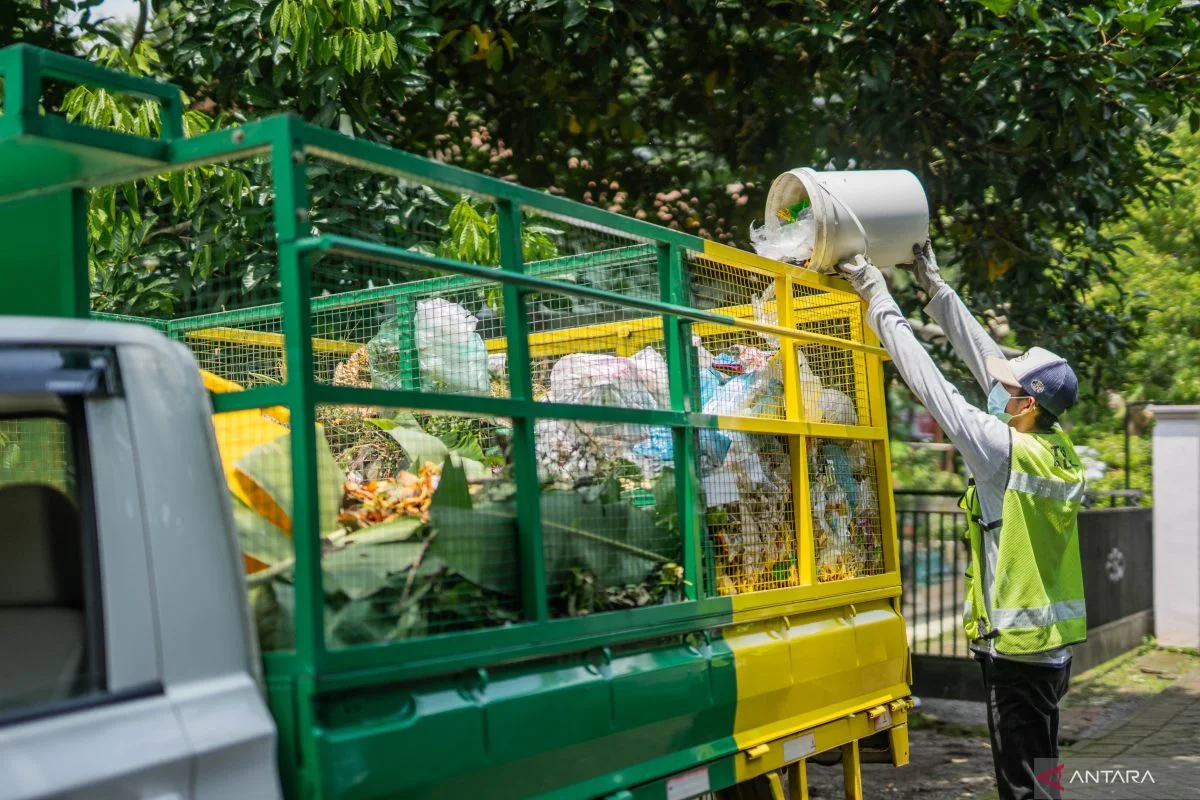
RRI.CO.ID, Banyuwangi - A delegation of 17 representatives from Nestlé Asia Pacific visited Banyuwangi Regency, East Java, on Wednesday, August 19, 2026, to study the region's circular waste management framework as a blueprint for sustainable operations across Southeast Asia.
The delegation, comprising sustainability officials from Malaysia, Thailand, Vietnam, and Indonesia, examined the Banyuwangi Hijau (Green Banyuwangi) initiative, visiting the Balak Reduce, Reuse, Recycle Waste Processing Facility (TPS3R) in Songgon Subdistrict.
The tour highlighted an end-to-end service chain involving household collection, transport, sorting, processing, and residue disposal to final landfills (TPA).
Initiated in 2017 with Project STOP and supported by international partners including Norway, Austria, and the UAE, the multi-phase program is currently expanding its TPS3R infrastructure across Purwoharjo, Kertosari, and Wongsorejo districts.
Corporate sustainability executives and municipal managers emphasized that cross-sector collaboration between local governments, business entities, and communities creates economically viable and scalable waste management models.
Nestlé Zone Asia, Oceania, and Africa Sustainability Delivery Manager Katarzyna Grzybowska highlighted the purpose of the study tour and praised Banyuwangi's inclusive ecosystem. "We want to learn how Banyuwangi built its waste management system, specifically the Banyuwangi Hijau program that manages waste circularly," she said in a statement on Wednesday, August 19, 2026, as quoted by Antara.
"We chose Banyuwangi because we saw that the system here runs very well, with contribution from the government, community, and business sector. The community is also involved from collection and sorting to recycling, enabling them to gain economic value from waste," she concluded. ***
News Recomendation
Memuat berita terbaru.....