



Omah Kriya Salatiga Revitalized as a Creative Hub and Living Heritage
- 20 Agt 2026 06:39 WIB
- Voice of Indonesia
Poin Utama
- The revitalization of Omah Kriya Salatiga was completed in early August 2026 to serve as a creative hub.
- Salatiga Dekranasda Chairwoman Retno Robby Hernawan highlighted Omah Kriya as a showcase for the city's creative economy.
- The historic site connects heritage with modern innovation, offering workshops, MSME products, and cultural exhibits.
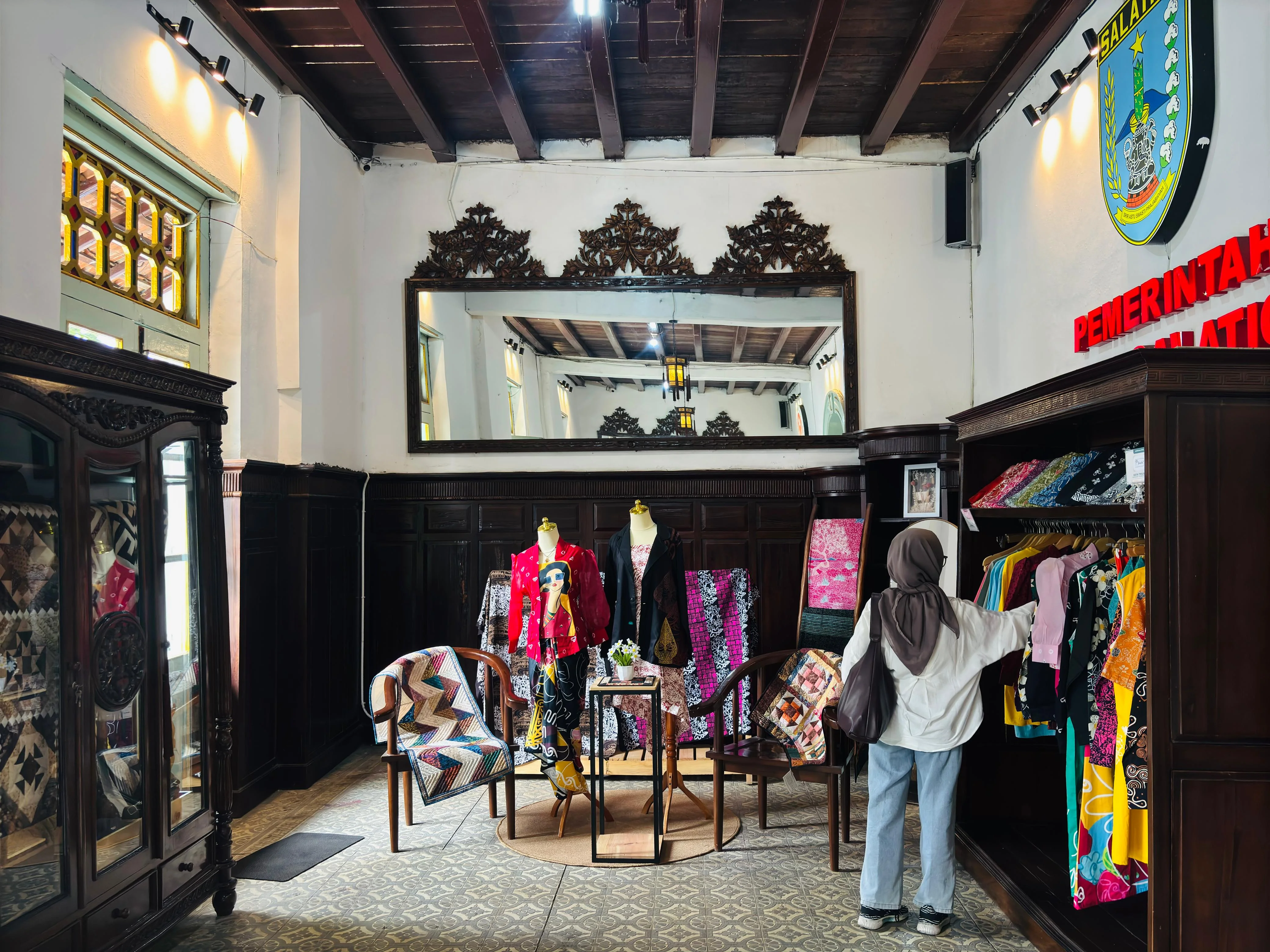
RRI.CO.ID, Salatiga – The revitalization of Omah Kriya Salatiga at the Regional National Crafts Council (Dekranasda) Building was completed in early August 2026, breathing new life into one of the city’s cultural heritage sites.
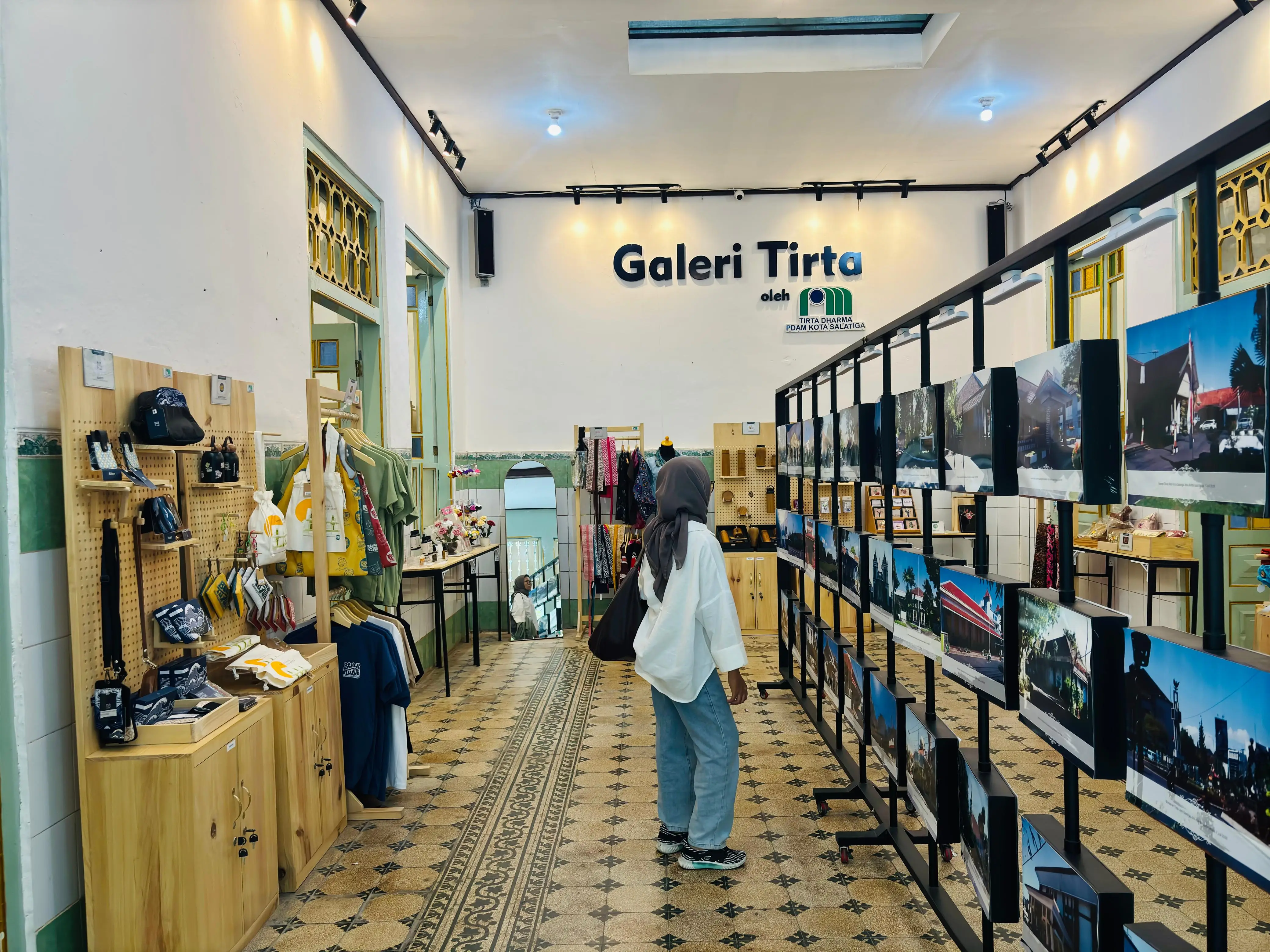
More than just a marketplace for Micro, Small, and Medium Enterprises (MSME) products, Omah Kriya is now envisioned as a creative hub that connects history with modern innovation, offering space for artisans, communities, and creative industries to collaborate.
Located strategically on Jalan Letjend Sukowati No. 7, Kalicacing Village, Sidomukti Subdistrict, Salatiga, Central Java, only 1.5 km from the city’s Ground Zero landmark, Omah Kriya is open Tuesday to Sunday from 10 a.m. to 6 p.m. local time.
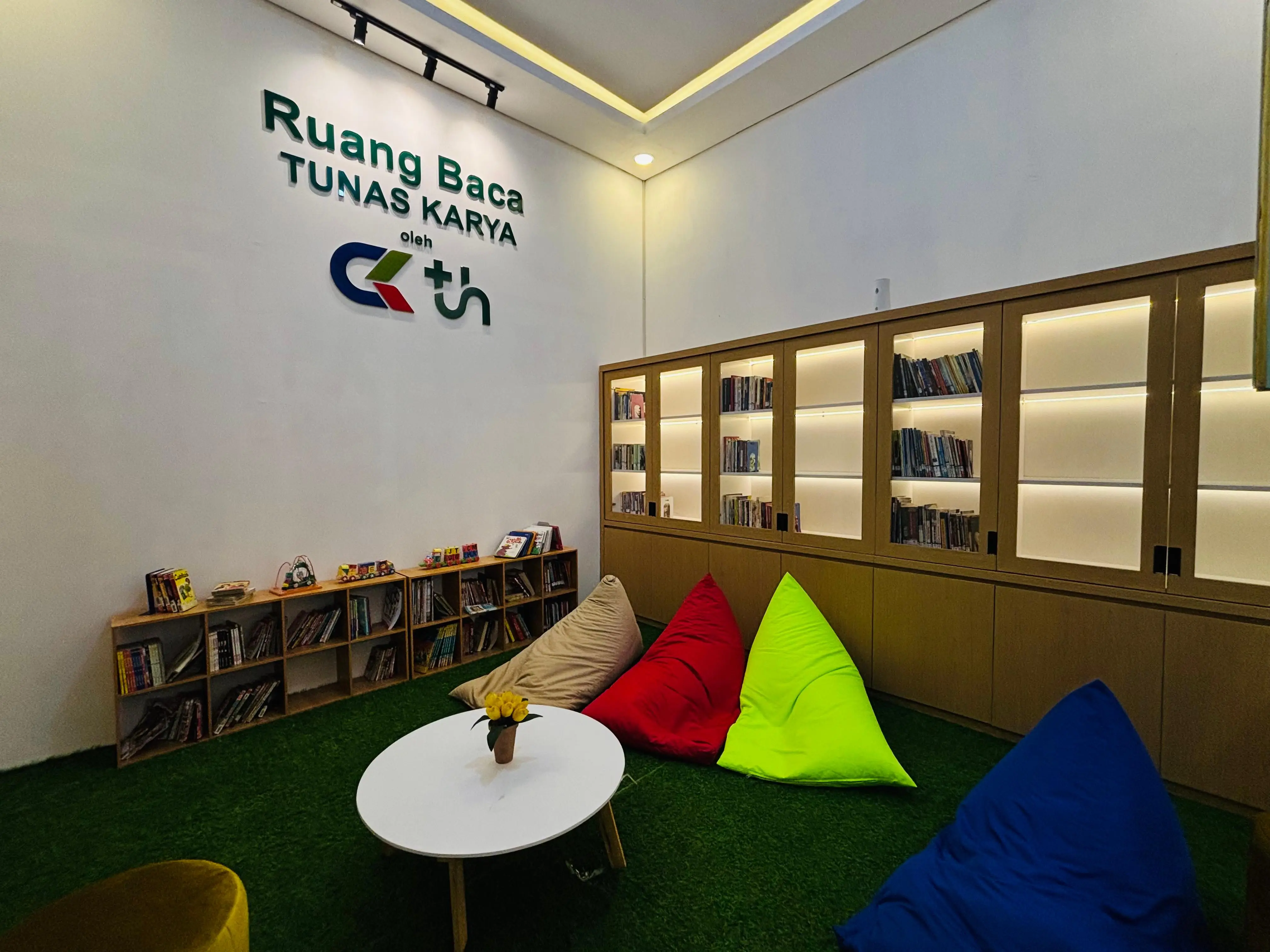
At the facility, visitors can shop for MSME products, join souvenir‑making workshops, explore the story of the Dekranasda building, and learn about Salatiga’s culinary traditions and city history. Within the complex, the Library Room and cultural space serve as an educational hub for exploring the rich history of Salatiga--one of Indonesia’s oldest cities, founded in 750 AD.
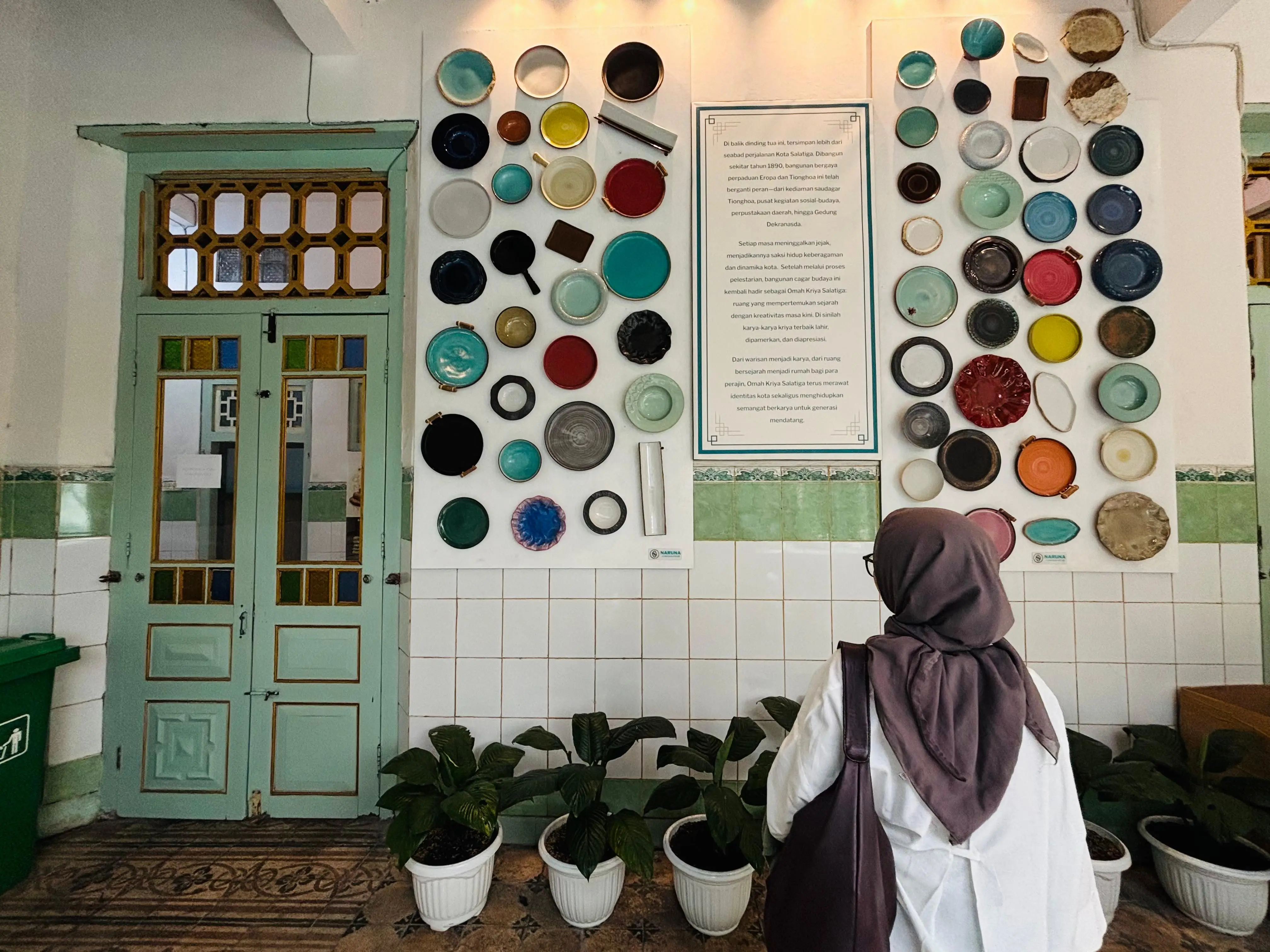
Guests can also study the values of heritage preservation and strategies to keep Salatiga’s legendary traditional cuisine relevant for younger generations. Entering the building itself offers proof of history, with its Chinese‑European architectural blend serving as a living witness to Salatiga’s past.
The building’s journey spans more than a century. Constructed around 1890 by the Kasunanan Surakarta militia as a residence for a Chinese nobleman, it later became the property of the Chung Hwa Tsung Hwee (CHTH), a Chinese social and cultural organization.
Following the political turbulence of the country's G30S/PKI era, the site was repurposed by the local administration as the office of the Regional Cultural Inspection (IDAKEB).
Over decades, it served multiple roles--from a base for Amateur Radio YDA 7 C2, to a cooperative office, a public library, and eventually the Dekranasda Gallery. Each transformation left its mark, making the building a living witness to Salatiga’s diversity and social change.
Chairwoman of Dekranasda Salatiga, Retno Robby Hernawan, emphasized that Omah Kriya represents the face of Salatiga’s creative economy. “Omah Kriya is not just a venue. It is a shared home for creativity, a place where culture meets the economy, where MSMEs can grow, and where the city’s identity is showcased,” she said, as quoted on the regency administration's official website recently.
Retno added that the challenge after revitalization lies in sustaining activities inside the building. “Development does not stop when the building stands. What matters is how we keep it alive, attractive, and relevant. I hope Omah Kriya becomes more vibrant through collaboration with stakeholders, offering regular programs that give visitors reasons to return to Salatiga,” she explained.
As Salatiga’s creative economy showcase, Omah Kriya is expected to be managed professionally and continuously developed.
Mayor Robby Hernawan envisions it not only as an MSME display but also as a hub of creativity and collaboration, where players in the creative economy connect through activities such as live shopping, creative discussions, and the Salatiga Bernyanyi (Salatiga Sings) program, carrying the tagline ‘Singing Together, Meeting Each Other.’”
Visitors like Wati from Yogyakarta have already felt its appeal. “I passed by and was drawn to the architecture, so I decided to enter. Inside, I found many unique MSME products and learned about Salatiga’s history, summarized clearly. There’s also a clean and comfortable reading room,” she shared.
From heritage to creativity, Omah Kriya Salatiga now stands as both a cultural landmark and a creative economy hub, ensuring that the city’s identity thrives through collaboration, craftsmanship, and innovation for generations to come. ***
News Recomendation
Memuat berita terbaru.....