



Komodo Biosphere Reserve, Home of the World's Largest Ancient Lizard
- 09 Agt 2026 22:08 WIB
- Voice of Indonesia
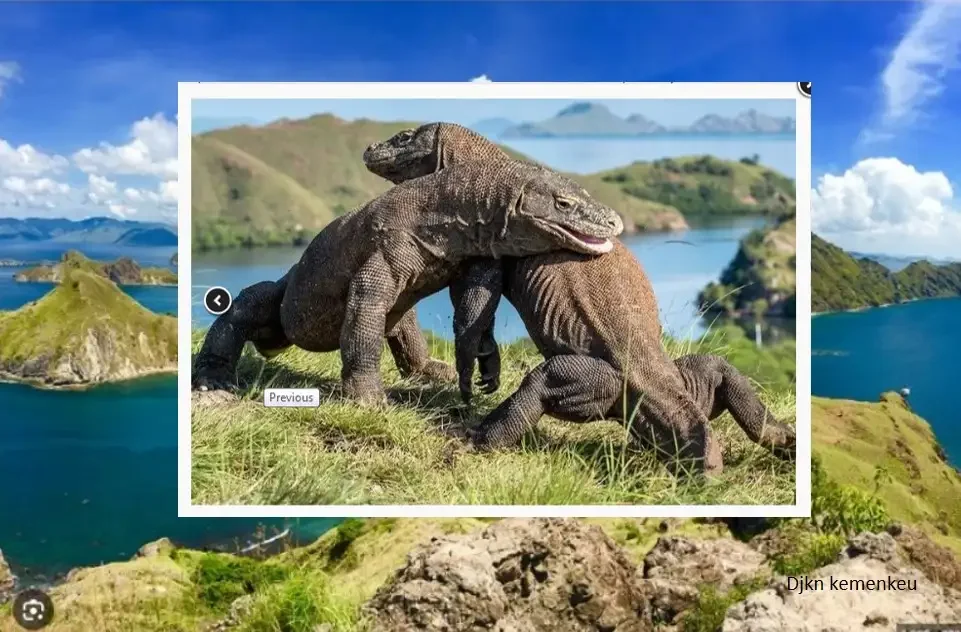
RRI.CO.ID, Jakarta - The Komodo Biosphere Reserve is a conservation area covering 1,817 square kilometers located at the eastern end of the Wallacea line in Indonesia. This area includes Komodo Island, Rinca Island, Padar Island, Gilimotang Island, as well as the surrounding sea waters, and serves as the only natural habitat for the Komodo, the largest lizard still living on Earth.
Of the total area of the core zone, about 33 percent is land and 67 percent is marine waters, making the sea an inseparable part of the biosphere reserve ecosystem. This combination of land and sea is what makes this area recognized worldwide as one of the most unique landscapes in the Lesser Sunda region.
The landscape of Komodo Biosphere Reserve is very diverse, ranging from dry savannas, lowland forests, tropical rainforests at the mountain peaks, to coastal forests and mangrove forests along the coastline. The diversity of habitats supports the life of the Komodo dragon as well as hundreds of other species of flora and fauna that can only be found in the area.
The climate in this region is dominated by dry weather due to the influence of monsoon winds, with almost no rainfall for about eight months of the year. High humidity only persists throughout the year in the mountain forests and hill ridges, creating a special microclimate that supports the continuity of the quasi-cloud forest ecosystem.
To protect the ecological balance, this area is divided into several zones, namely the core zone as a strict conservation area, the buffer zone for environmentally friendly activities such as research and ecotourism, and the transition zone that borders residential and urban areas. This layered zoning system is designed so that wildlife protection runs in parallel with human activities in the surrounding area.
The Komodo Biosphere Reserve also serves as a vital life buffer, from maintaining climate balance, supporting the sustainable fisheries and tourism sectors, to being a source of genetic resources for global scientific research. However, its coastal areas now face a real threat from climate change, which increases the vulnerability of the surrounding marine ecosystems.
As the UNESCO-recognized area, the Komodo Biosphere Reserve is not only the last bastion for the survival of the Komodo dragon, but also a symbol of how nature conservation and sustainable development can go hand in hand. Its existence serves as a reminder of the importance of preserving this irreplaceable natural heritage for future generations.
News Recomendation
Memuat berita terbaru.....